
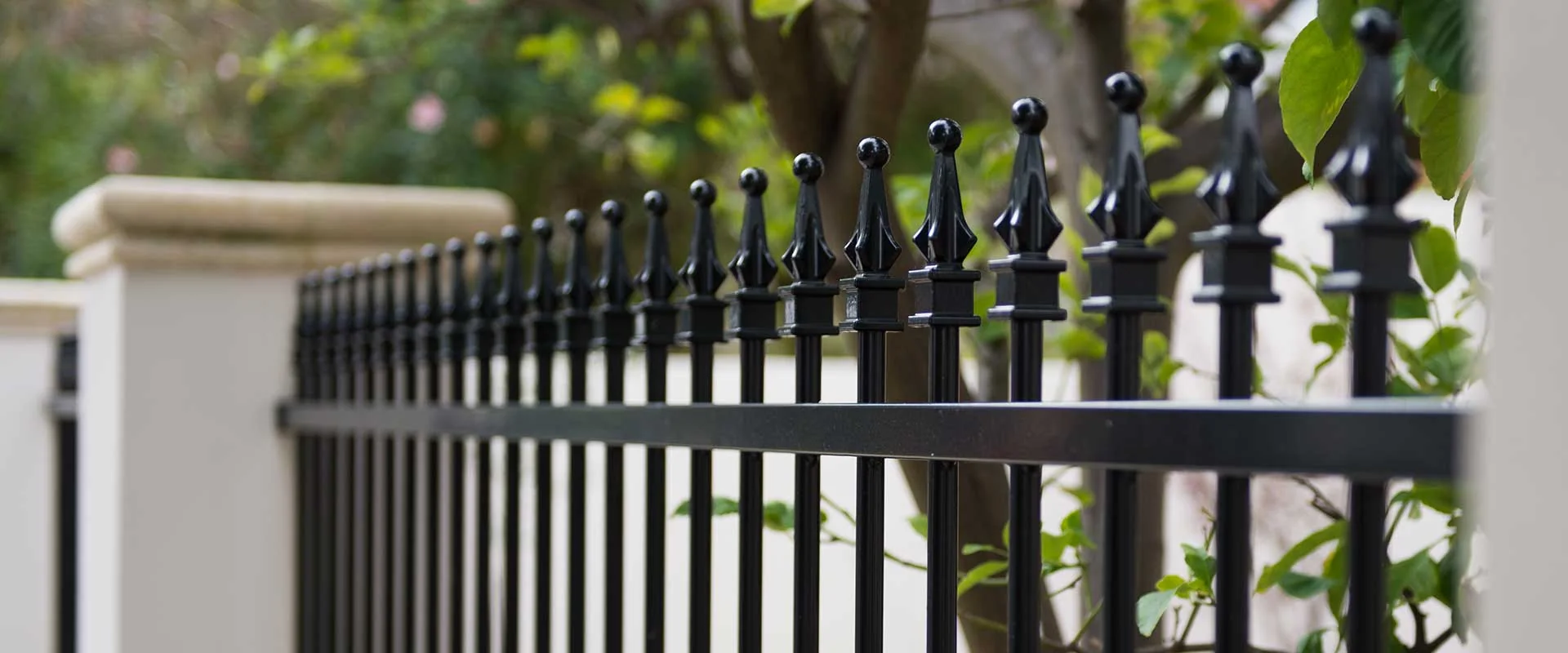
Keep the care instructions for your fence and hardware, and check the fence periodically for damage or changes in movement. Take another look after severe weather or an impact. Wood, vinyl / PVC and aluminum have different cleaning and finish requirements.
A fence usually gets your attention when something changes. The gate catches, a board looks loose or dirt has built up along one section. Before buying a cleaner or a can of stain, take a closer look at that spot and find the product information from the installation.
Walk the fence before getting out the tools
Look along the line for leaning sections, loose boards or panels, and visible damage. Take a close photo of anything that concerns you, plus a wider photo showing where it sits in the fence.
Notice plants touching the fence, debris along the base and places where water remains after rain. If a section has moved or the ground around it has changed, ask for an assessment before treating it as a cleaning job.
Check the other side where you have access and permission. Keep dated photos with your installation paperwork so you can compare a change over time.
Wood boards and finishes
Check the boards as well as the finish. Weathered color, a broken board and a leaning section are different issues. Photograph what you see so you can describe the problem when asking for advice.
Before applying stain or sealer, check what lumber and coating you have. ProWood’s staining and sealing guidance explains how finishes differ and calls for dry wood before sealing after cleaning.
Follow the coating manufacturer’s directions for preparation, weather and application. A certain number of weeks since installation won’t, by itself, tell you whether the wood is ready. If you’re unsure about an old coating or the condition of the boards, ask before putting another product over it.
When choosing a new wood fence, discuss the finish and its care with the estimate.
Cleaning vinyl / PVC
Find the cleaning instructions for the installed product. For the fences covered by its vinyl care guidance, Barrette describes mild soap and water for ordinary dirt and a garden hose for loose debris. Your own fence’s instructions should guide the method you use.
Check before trying a stronger cleaner, an abrasive tool or a pressure washer. Also look for cracked panels or a change in alignment. Those need attention separately from surface dirt.
Aluminum coating and hardware
Look at the coating, connections and gates. Note scratches, damaged parts or a section that has shifted. Ask the supplier which cleaning and touch-up methods are approved for that finish.
Barrette describes soap-and-water care for its aluminum products in its manufacturer information. Keep the instructions for your particular product rather than borrowing a method meant for a different coating.
If you’re comparing aluminum fence options, ask for the care and warranty documents at the same time. Save them with the estimate and installation records.
Pay attention when a gate feels different
A gate that starts dragging, catching or failing to latch is worth checking. Don’t force it. Take photos and ask for an assessment if the support or movement has changed.
For an automated driveway gate, use the operator’s maintenance instructions and a qualified technician for adjustments or repairs. Keep the operator details and service records where you can find them.
Common questions
How often should I inspect the fence?
Use the product and hardware instructions to set a routine. Check sooner after a significant weather event or impact, or when the fence or gate starts to look or behave differently.
Can I use a pressure washer?
Check the instructions for the exact fence and finish first. Use the least aggressive approved cleaning method.
Does a low maintenance fence still need care?
Yes. Cleaning, inspections and attention to damaged components or gate hardware still matter, even when regular staining isn’t required.
Choosing a new fence? Ask about routine care when you compare the materials.
Get a free estimate Explore the options