
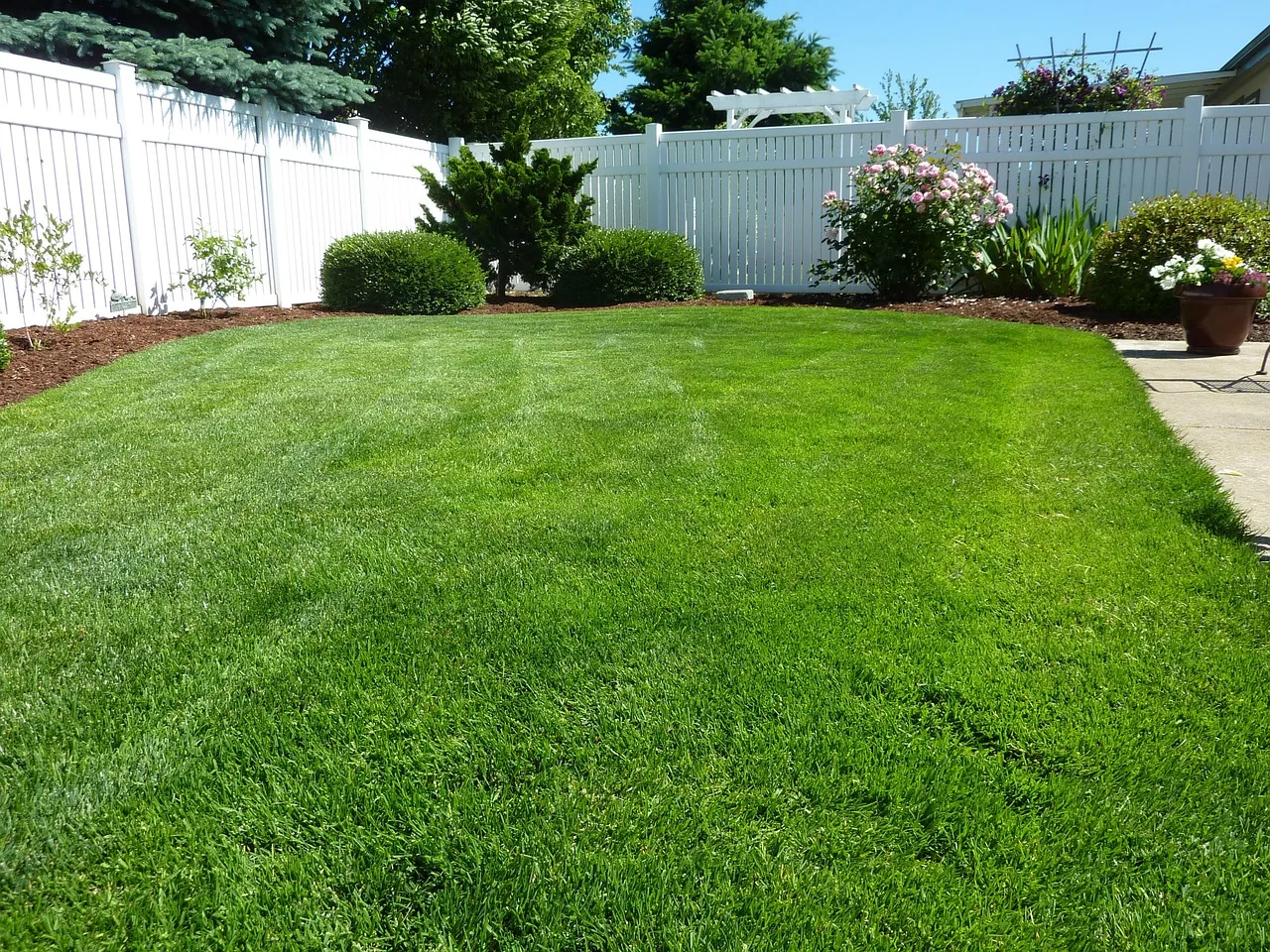
Wood and vinyl / PVC both offer solid fence styles for privacy. To work out the layout, look from the places where you spend time and identify the views you want to block. The ground level, fence position and gaps matter alongside the height.
You may want to eat on the patio without feeling on display, or screen a side yard where you keep bins and garden tools. Those are different problems. Walk through the yard with that particular use in mind before deciding every boundary needs the same treatment.
Sit where you’ll use the space
Try the patio chair, the porch steps and the view from a downstairs window. Notice where you can see into the neighboring property and where someone could see back. Take photos from those positions to show the installer.
An elevated deck creates a different view from a path at ground level. A taller fence may still leave that view open, and the allowed height needs to be checked before you plan around it.
Look for views you’d like to keep as well. You might want to screen a sitting area while leaving part of the garden visible from the house.
Compare the actual wood and PVC styles
With wood fencing, look closely at the board arrangement. Ask what you’ll see through it from an angle and how it looks from both sides. Consider the finish you want and the care it will need.
Vinyl / PVC offers solid panels with a uniform appearance. Compare the panel, post and gate options together. On a slope, ask how the proposed system follows the ground and where gaps might remain.
Open aluminum pickets keep the view through the fence, so they won’t give a patio the same screening. The material comparison covers that difference if you’re still deciding.
Leave yourself a convenient way in
Walk the route from the driveway to the yard. Then try the trips you make with bins, a mower or garden supplies. Put the gates where you’ll actually use them.
Measure any equipment that needs to pass through. Tell the installer what it is and how you approach the opening. A gate can be wide enough for an item while the turn just beyond it is too tight.
If you have a larger outdoor project planned, mention that too. It’s easier to discuss future equipment access while the fence layout is still on paper.
Check what’s allowed on your lot
Confirm which authority covers the property. A Summerville mailing address doesn’t necessarily mean the parcel is within the town. For a home inside town limits, start with Summerville’s building permit guidance and ask about your proposed fence.
If an HOA reviews fences, get its current requirements for material, color, height and placement. Ask about street-facing sections and corner lots if either applies. Keep the written approval with your project paperwork.
Our permit and HOA guide explains the separate local and neighborhood checks.
Show us what you want to change
For an estimate, send a rough fence line and a few photos from the viewpoints that matter. Mark the gates and include any styles you’ve saved as references. If you have a survey or written HOA rules, send those as well.
If there’s already a fence, tell us what bothers you about it. Perhaps you can see through the boards from the patio, the gate opens toward the wrong path or one end leaves the seating area exposed. Those details tell us more than a request for “more privacy.”
Common questions
Will a taller fence make the yard more private?
It depends on the view. Slope, gaps and the height of the neighboring window or deck can affect privacy. Check the sightline and the height allowed on the property.
Can the gate match the privacy fence?
Matching gates can be planned with wood and vinyl / PVC fencing. Include the opening, swing and hardware in the original layout.
Do I need to choose a material before asking for a quote?
No. Explain where you want privacy and share any styles you like. You can compare wood and vinyl / PVC for the same layout.
A few photos from your patio or porch will help us understand where you’d like more privacy.
Get a free estimate Explore the options